Tree Radiation Research Project

For decades, the genetic impacts of nuclear radiation on plants and animals have either been largely ignored or labeled as controversial. Part of this inconsistency is caused by scientific research that has shown drastically different results, some of which show negative impacts while other results vary. Although we hope that no other nuclear disasters will happen, history has shown that this is probably not going to be the case. Before we have another disaster, scientists need to develop more concrete and definitive methods to understand and document what genotypic and phenotypic changes might occur in the resident flora and fauna (including humans). In this project, we aim to document genetic changes in the long-lived trees that managed to survive the disaster at Fukushima Japan, and use this data to create a calibration curve whereby we can correlate our detected genetic mutations with reported radiation releases and use our trees as living dosimeters.
Not knowing or being able to quantify the dosage of released radiation is one of the largest issues today with radiation research. If we are to understand the impacts of radiation on nearby residents, this is crucial. By genetically sampling trees that were exposed to reported concentrations of radiation, we can use our trees as living dosimeters, whereby we create a calibration curve to connect the number and type of detected genetic mutations with reported radiation doses.
We propose to use cutting edge technology whereby we combine radiation imaging (to determine where the most radiation is sequestered in the leaves) with next generation sequencing whereby we determine how many and what kind of mutations have occurred as a result of this radiation exposure.
By incorporating Next Generation sequencing (using the entire genome), we propose to sample trees both inside and outside of a radiation contaminated zone. We will then compare their sequenced genomes and determine what has changed due to exposure to radiation and what has not. Some possible examples of what we expect to see are increased mutation rates for exposed trees, changes in particular genes that helped these trees survive higher levels of radiation, and adaptations regarding how trees sequester the radiation in their leaves.
To date, no other project has successfully attempted or completed this endeavor, yet given how often radiation has been released worldwide and the reported sicknesses and mutations that have resulted from this exposure, this knowledge is essential for any area with radiation issues.
Creating a living dosimeter!

RESEARCH PROJECTS
Our Current Focus: The first 3 parts
Our first question: where are the trees sequestering (storing) the radioactivity?
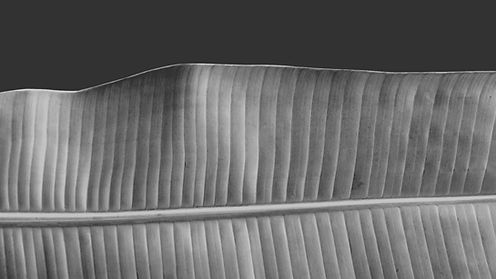
To address this first question, we plan to sample leaves from various parts of the trees and expose them to x-ray film and then develop the x-ray film. This will allow us to see where in the leaves our trees are storing and/or processing the radiation (Wing 1992).
We will then focus on sampling the areas with the highest concentration of radiation, and then using them to collect our sequence data for the entire genome of the plant using Next Generation Sequencing Technology.
Wing, S.L. 1992. High-resolution X-radiography in systematics and paleobotany. American Journal of Botany 79(11): 1320-1324.
Our Second Question: What are the genetic ramifications of radiation exposure?
Many research studies have suggested that individuals that have been exposed to increased radiation will have an increased mutation rate in their genome (Tobias and Silverman 2023). We plan to quantify this by comparing the genomes of individuals grown both inside and outside of the exposure site (exclusion zone). By doing so, we can detect an increased mutation rate as well as determine what types of mutations have occurred.
C.A. Tobias, and J. Silverman. 2023. Damage to genes (mutations). Encyclopedia Britannica. Retrieved from: https://www.britannica.com/science/radiation/Damage-to-genes-mutations.. By. bin

Creation of a Calibration Curve between the detected mutations and released radiation dosage.

Predicted results of increasing mutations (x-axis) with increasing radiation dosage (y-axis).
Our Third Question: How do these new mutations impact the trees?
To address this question, we will translate the genetic sequence of any detected mutations to proteins, thereby asking if and how the proteins change. This will give us an idea of how these mutations impact the trees and may even let us infer the impacts on tree survival (Stillman and Armstrong 2015)
Jonathon H. Stillman and Eric Armstrong. Genomics Are Transforming Our Understanding of Responses to Climate Change. BioScience, January 2015 DOI: 10.1093/biosci/biu219